
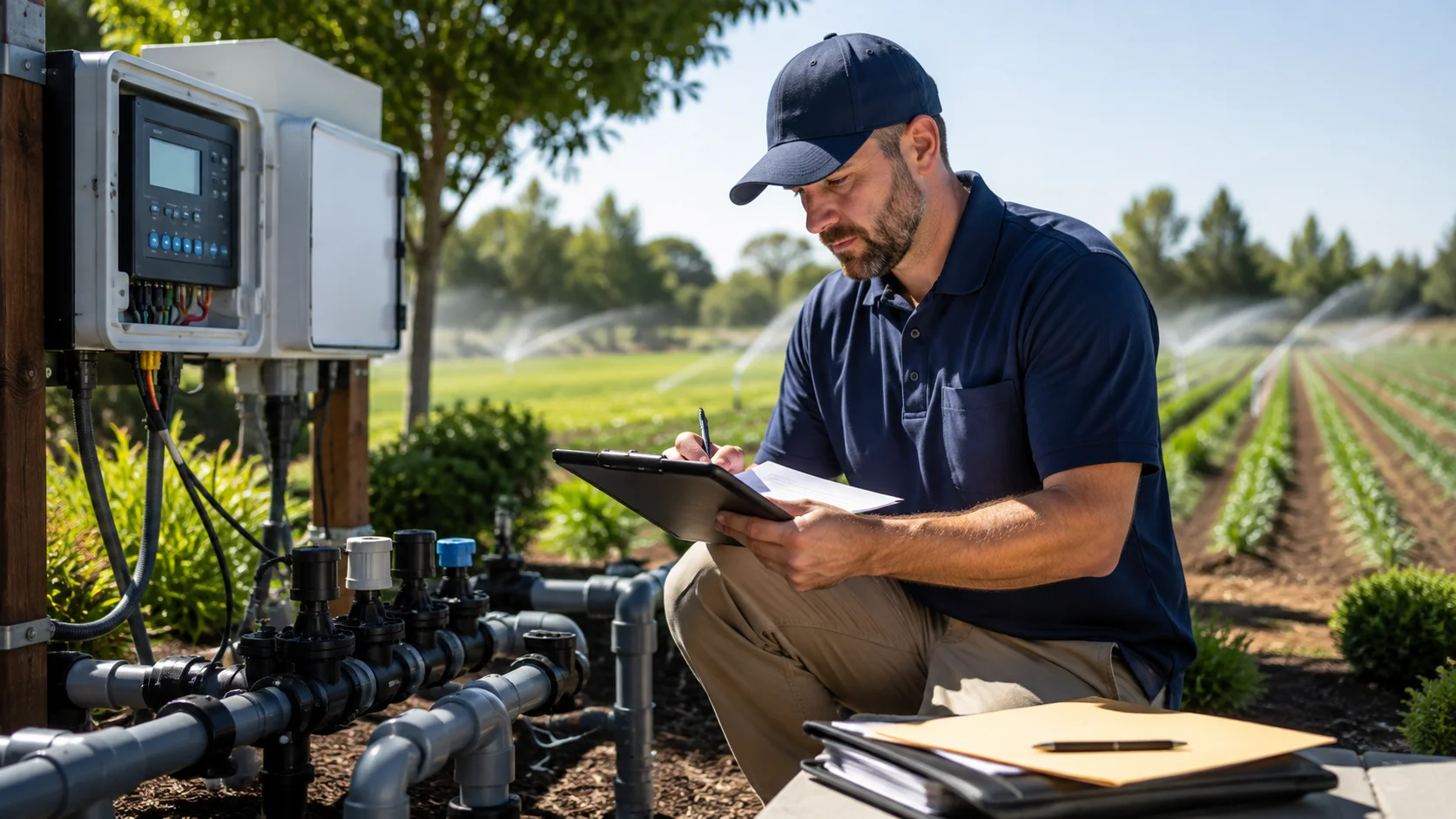
Getting an irrigation license is one of the most important steps if you’re serious about a career in landscaping or irrigation services. An irrigation license isn’t just a piece of paper; it’s a professional credential that ensures you can design, install, and maintain irrigation systems safely and efficiently. Whether you’re planning to work on residential lawns, commercial landscapes, or large public gardens, having this license gives your clients confidence and ensures compliance with state and local regulations.
Understanding the process can feel overwhelming at first, but breaking it into manageable steps makes it much simpler. From selecting the right license type to completing irrigation system training, each stage is crucial to becoming a competent, licensed professional.
Why You Need an Irrigation License
An irrigation license is not just a legal formality; it is a credential that confirms your expertise in water management, system design, and safe installation practices. Professionals with a valid license can reduce water waste, prevent system failures, and safeguard public water supplies through proper backflow prevention. For clients, hiring a licensed contractor provides confidence and reassurance that all systems meet strict safety and efficiency standards. Moreover, many states legally require a license to operate, particularly for commercial projects. Working without one can lead to fines, revoked permits, and legal consequences, making it essential for accountability and long-term career growth in the irrigation industry.
Step 1: Determine the License Type You Need
Before you begin, it’s essential to know the type of license required in your state or region. Some areas have multiple categories, including:
- Irrigation Contractor License: Allows you to manage projects, hire staff, and take responsibility for installations.
- Technician License: Suitable for individuals who perform installation and maintenance under a licensed contractor.
- Inspector or Designer License: Required for professionals who focus on system design or compliance inspections.
Choosing the right license helps you meet legal requirements and avoid unnecessary complications down the line.
Step 2: Meet Eligibility Requirements
Eligibility for an irrigation license varies by state. Common requirements include:
- Minimum age (usually 18+ years)
- Proof of experience or completion of related irrigation courses
- Clean criminal background check
- Proof of education or training, where applicable
Some states may waive experience requirements if you complete certified training, while others may require a combination of education and fieldwork. Verify your local requirements before applying.
Step 3: Complete Required Training
A critical part of the licensing process is completing irrigation system training. These programs equip you with the technical skills needed for efficient system design, installation, and maintenance. Training often covers topics such as:
- Hydraulics and pressure management
- Sprinkler and drip system layouts
- Valve and controller installation
- Water conservation and scheduling
- Backflow prevention
Many training programs are approved by state boards and count directly toward your licensing eligibility. Investing in quality training ensures that you’re not only ready to pass your licensing exam but also capable of handling real-world irrigation challenges effectively.
Step 4: Apply for the License
Once your training is complete, submit your license application. Most states offer an online application system that requires:
- Personal identification and proof of age
- Training certificates or documentation of completed irrigation courses
- Relevant experience documentation
- Application fees
Accuracy is crucial. Double-check all documents and ensure you meet the eligibility criteria. Missing or incorrect information can significantly delay the process.
Step 5: Prepare and Pass the Exam
Most licensing boards require an exam to demonstrate your knowledge of irrigation systems. Exam content typically includes:
- System design principles
- Installation techniques
- Troubleshooting and maintenance
- Water management and conservation
- Relevant state and local regulations
Using study materials from your irrigation system training and approved practice exams can boost your confidence and increase your chances of passing on the first attempt. Remember, the goal of the exam is to ensure you can apply your knowledge safely and efficiently in the field.
Step 6: Set Up Your Business Credentials
After passing the exam, it’s important to complete any business-related requirements, especially if you intend to operate as a contractor. These may include:
- Business registration and licenses
- Liability insurance and bonding
- Local permits for each jobsite
- Compliance with backflow prevention rules
Setting up these credentials ensures legal compliance and builds client trust, positioning you as a responsible professional.
Step 7: Maintain and Renew Your License
Getting an irrigation license isn’t a one-time achievement. Licenses typically expire every 2–3 years, and most states require continuing education to renew them. Continuing education can include:
- Updated irrigation courses
- Advanced system design training
- Water conservation and efficiency workshops
Keeping your license active ensures you remain compliant with state regulations and up to date with industry best practices.
Benefits of Completing Proper Training
Completing approved irrigation courses and system training has several advantages:
- Improves installation accuracy and efficiency
- Reduces water waste and operational costs
- Enhances safety and compliance with regulations
- Strengthens credibility with residential and commercial clients
Proper training equips professionals with both the technical knowledge and practical skills required to handle complex irrigation systems, from small gardens to expansive commercial properties.
Key Considerations for Licensing Success
- Select the right program: Ensure that the training provider is recognized by your state licensing authority.
- Document your experience: Keep detailed records of hands-on work to meet experience requirements.
- Stay informed about regulations: Laws and licensing rules can change, so always verify with your local authority.
- Invest in quality study materials: Approved manuals, guides, and online practice tests improve exam readiness.
- Plan for renewal: Track expiration dates and continuing education requirements to avoid lapses.
By focusing on these areas, you ensure a smooth path to obtaining and maintaining your license.
Conclusion
Obtaining an irrigation license is essential for any professional working in the landscaping or irrigation industry. The process involves selecting the appropriate license type, completing approved training, applying to your licensing authority, passing the required exam, and maintaining your credentials through renewals and continuing education. Investing time and effort in this process not only ensures compliance with state laws but also positions you as a trusted, skilled professional. Completing irrigation courses and system training further strengthens your skills, helping you feel confident and competent on every project you take on.
FAQs
Q1: How long does it take to get an irrigation license?
The timeline varies by state, depending on training and experience requirements and exam schedules. Most professionals complete the process in 3–6 months.
Q2: Can I work without an irrigation license?
Working without a license may be illegal and could result in fines or penalties, especially for commercial projects.
Q3: Are online irrigation courses accepted for licensing?
Yes, if your state licensing board approves the course. Always verify before enrolling.
Q4: What is the cost of obtaining a license?
Costs include application fees, irrigation training fees, and exam fees. Total expenses vary by state.
Q5: How often do I need to renew my irrigation license?
Most licenses require renewal every 2–3 years with continuing education or refresher training.