
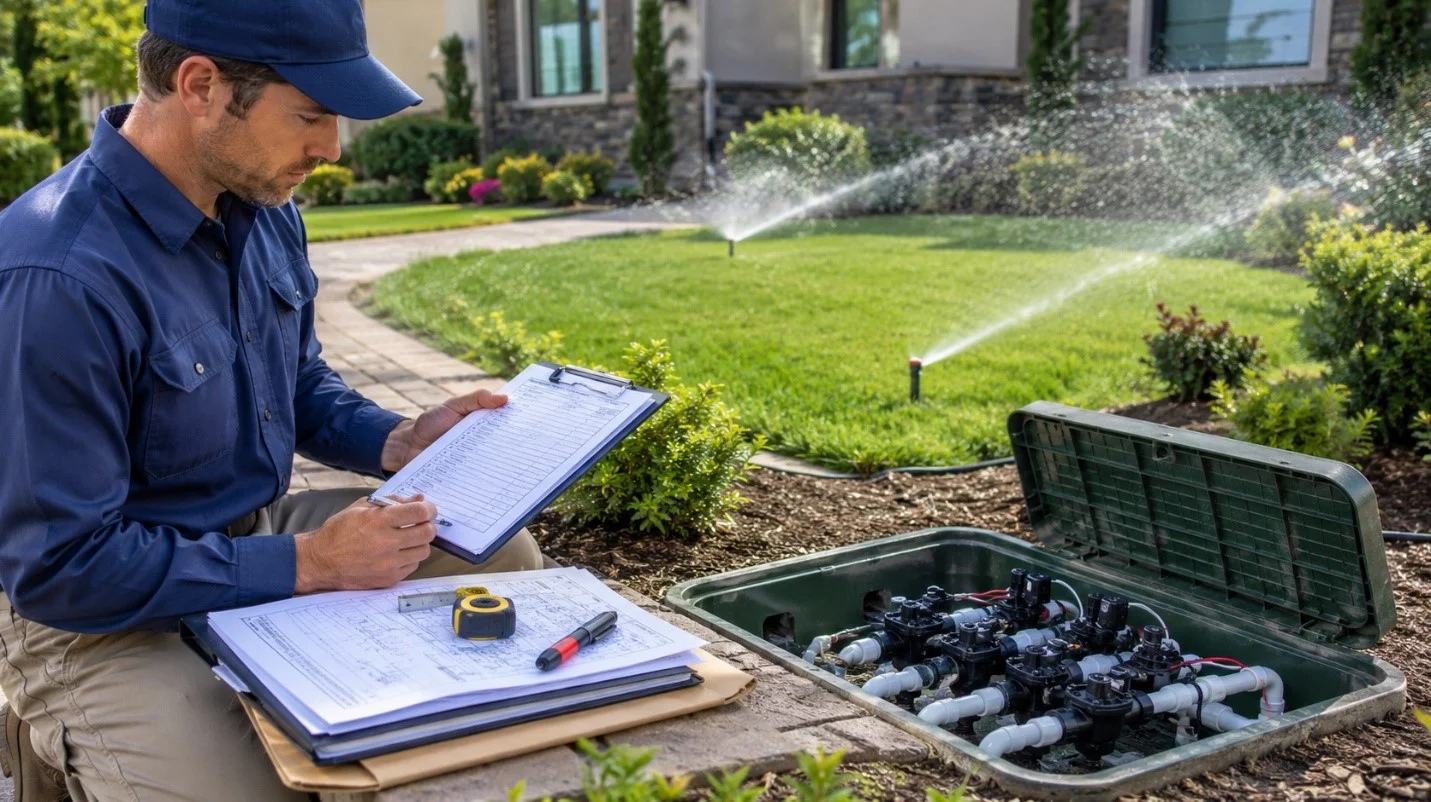
Getting an irrigation license is an important step for anyone who wants to work professionally in sprinkler installation, irrigation repair, landscape watering systems, or commercial projects. Irrigation may look simple, but water lines, valves, controllers, backflow prevention, and local codes make it a skilled trade. Many states and local authorities require contractors to understand safe installation, water conservation, and system performance before offering services. This practical, contractor-focused guide explains the licensing process clearly, helping landscapers, business owners, and helpers avoid fines, rejected permits, and unhappy clients.
Why an Irrigation License Matters
A license shows you are qualified to design, install, repair, or maintain irrigation systems under state and local rules. Because this work often connects to public water supplies, mistakes can waste water, damage landscapes, cause leaks, or create backflow issues that affect clean water. For contractors, the right license also builds trust with homeowners, property managers, builders, and municipalities. In Texas, the TCEQ says a person may not sell, design, install, maintain, repair, service, inspect, or consult on irrigation systems unless licensed.
Do You Need a License Everywhere?
You may need a license depending on where you work, because rules vary by state, city, and county. Some states require a specific contractor license, while others regulate this work under plumbing, landscaping, or specialty contractor rules. Texas has separate licenses for Landscape Irrigator, Irrigation Technician, and Irrigation Inspector. North Carolina has its own Irrigation Contractors’ Licensing Board for public safety and efficient water use, while Florida offers a Certified Specialty Irrigation Contractor license with experience and exam requirements. Always check your state board or local department first.
Basic Requirements for an Irrigation License
Age and Experience
Most licensing boards check age and experience before approving an application. Many states require applicants to be at least 18 years old. Florida requires 4 years of experience, including 1 year as a foreman, while North Carolina requires 3 years of contracting experience or a mix of training and field experience.
Training, Exams, and Insurance
Applicants may also need training, exams, insurance, and, in some cases, a background check. The goal is to prove you can perform the work safely and professionally. Irrigation classes help you learn water pressure, pipe sizing, sprinklers, drip systems, controllers, valves, backflow prevention, troubleshooting, and state rules.
How Irrigation Classes Help You Get Licensed
Exam and Field Preparation
Irrigation classes prepare you for both the licensing exam and real-world work. A strong class does more than teach definitions; it helps you think like a professional contractor. You learn how to calculate water flow, choose the right equipment, avoid overspray, reduce runoff, and protect the water supply.
Skills, Codes, and Confidence
For beginners, classes make the licensing process less overwhelming. Experienced workers can also use them to fill knowledge gaps before the exam. Many people can install pipes or replace sprinkler heads, but the test may include codes, design principles, backflow rules, electrical troubleshooting, and water conservation. Some states, like Texas, require approved training before licensing.
Step-by-Step Process to Get Licensed
Check Your Licensing Authority
Start by identifying the licensing authority in your state. Search for your state name plus “landscape irrigator license” or “irrigation contractor license.” Always use official government or board websites because rules can change.
Review Requirements and Complete Training
Next, check whether you need work experience, approved classes, an exam, insurance, a bond, or business registration. If applying as a company, you may need to register your business first. Then complete your training and gather documents such as proof of experience, course certificates, ID, background check forms, insurance certificates, and required fees. After approval, take the exam, activate your license, and comply with local permit requirements.
Common Requirements by State
| Texas | Training, application, fee, exam | TCEQ regulates licensing. Renewal every 3 years. Continuing education is mandatory. |
| Florida | 18+, 4 year’s experience, exam | Includes at least 1 year as foreman |
| North Carolina | 18+, experience, exam, background check | Annual renewal and continuing education may apply |
This table gives a quick overview, but it should not replace checking your local rules. Licensing requirements can change, and cities may add extra rules for permits, inspections, or backflow testing.
How Much Does It Cost?
The cost depends on your state and the type of license. You may need to pay for classes, application fees, exam fees, background checks, insurance, business registration, and renewal fees. Texas lists a $111 fee for landscape irrigation license applications and renewals, with continuing education required for renewal. While the upfront cost may feel high, it is better to see it as an investment. A license helps you charge professionally, win better jobs, avoid penalties, and show customers you are a trained professional.
Common Mistakes to Avoid
Starting Work Before Checking Rules
One common mistake is starting work before confirming local rules. Some contractors also forget that business registration and trade licensing are not always the same thing. You may have a business license, but you still need a separate license to work legally.
Choosing the Wrong Class or License
Another mistake is taking the wrong class or applying for the wrong license type. Many licenses must also be renewed with approved education hours. If you miss the deadline, your license may expire, leaving you unable to work until it is restored.
Conclusion
Getting an irrigation license is a smart move for anyone serious about working in landscape irrigation. It protects your business, builds customer trust, and helps ensure every system you install or repair is safe, efficient, and code-compliant. The exact process depends on your state, but most contractors will need some mix of experience, approved classes, an application, an exam, and renewal education.
Before you take your first paid job, check your local licensing authority and follow the correct steps. A little preparation now can save you from major problems later.
Frequently Asked Questions
Do I need a license to repair sprinkler systems?
In some states, yes. Repair and maintenance can be regulated the same way as installation, so always check your local rules.
Are irrigation classes required?
Sometimes. Some states require approved classes before the exam, while others only recommend training.
How long does it take to get licensed?
It depends on your state. Some applicants can complete training and testing in weeks, while others need years of documented experience.
Can landscapers install irrigation systems?
Only if local rules allow it; a landscaping business license does not always include irrigation work.
Is getting licensed worth it?
Yes. It helps you work legally, gain customer trust, qualify for better projects, and build a more professional contracting business.