
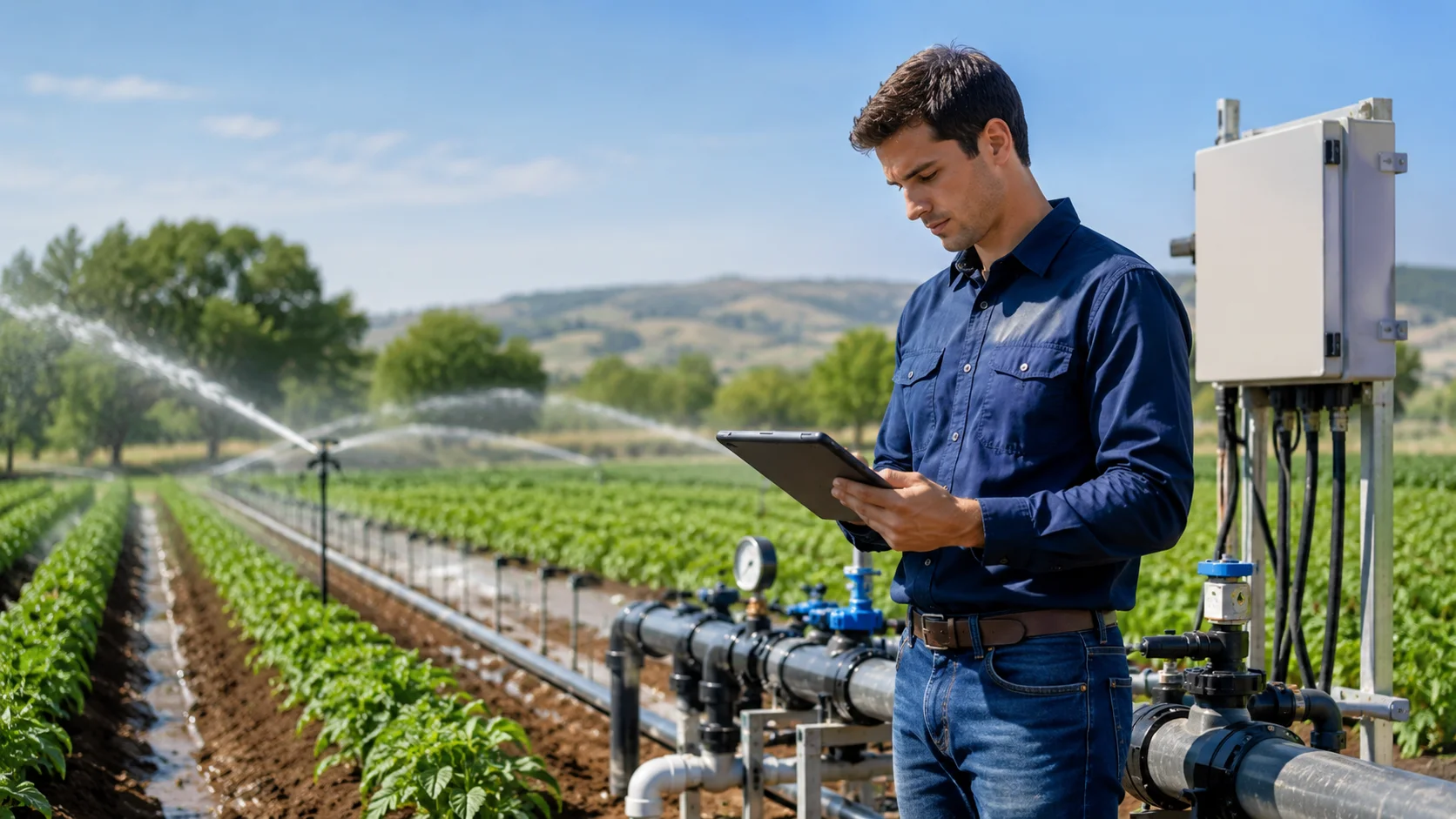
If you’ve ever wondered how a career in water management begins, one of the most effective ways to enter the field is through irrigation courses. These programs provide practical, hands-on training and in-depth technical knowledge that help both beginners and professionals understand how water moves, how irrigation systems function, and how to maximize efficiency for landscapes, agriculture, and commercial properties. With rising demand for smart water management and heightened environmental concerns, the skills taught in these courses are becoming increasingly crucial. Many programs also include irrigation system training and preparation for an irrigation license, enhancing credibility and career opportunities.
Why Water Management Skills Are in High Demand
Water is one of the most critical resources on the planet, yet it is also one of the most mismanaged. Efficient water usage in agriculture, landscaping, and municipal projects not only conserves a scarce resource but also ensures plant health and reduces operational costs. With global population growth and increasing climate variability, professionals trained in water efficiency and irrigation management are increasingly needed.
Employers are looking for candidates who can not only install and maintain irrigation systems but also assess their efficiency, perform audits, and recommend sustainable practices. Irrigation courses equip learners with the analytical and practical skills needed to meet these demands, making graduates highly valuable in both the private and public sectors.
Core Topics Covered in Irrigation Courses
One of the most attractive aspects of irrigation courses is the breadth of knowledge they offer. Students gain both theoretical understanding and practical skills that directly translate to the field. Here’s what you can typically expect:
1. Soil, Water, and Plant Relationships
Understanding how water interacts with soil and plants is foundational for any water management role. Courses teach how soil types, drainage, and root depth affect water absorption and retention. You’ll learn techniques to prevent overwatering or underwatering, ensuring plant health while conserving water.
2. Irrigation System Design
Design skills are a key component of water management careers. Students learn how to lay out sprinklers, drip systems, and piping networks efficiently. This includes understanding pressure requirements, zoning strategies, and optimal placement to ensure even water distribution across residential or commercial landscapes.
3. Pump Operation and Hydraulics
Effective water movement relies on proper pump operation and a clear understanding of hydraulics. Training includes evaluating water pressure, flow rates, friction losses, and system performance. These skills are essential when troubleshooting complex irrigation systems or designing large-scale installations.
4. Sprinkler and Drip Irrigation Techniques
Modern irrigation involves more than turning on a hose. Courses introduce various sprinkler types, drip emitters, and advanced micro-irrigation methods. You’ll learn how to match irrigation techniques to plant types and environmental conditions, maximizing efficiency and minimizing waste.
5. Smart Controllers and Automation
Many programs now include smart irrigation technology, teaching students to operate Wi-Fi-enabled controllers, integrate weather-based adjustments, and use soil moisture sensors. This knowledge ensures systems operate efficiently, saving both water and energy.
6. Water Conservation and Sustainability Practices
Sustainability is central to modern irrigation. Courses emphasize techniques for reducing water waste, such as rain sensors, efficient scheduling, and leak detection. Learning these skills positions students as valuable contributors to sustainable landscaping and agricultural projects.
How Training Translates to Real-World Careers
Completing irrigation courses opens doors to various career paths. Here’s a closer look at roles you can pursue:
Irrigation Technician
Technicians install, maintain, and troubleshoot irrigation systems. They are hands-on professionals who ensure equipment runs efficiently.
Irrigation Designer
Designers create comprehensive irrigation plans that consider water pressure, plant needs, and zoning. This role suits individuals who enjoy planning and problem-solving.
Water Conservation Specialist
Specialists focus on optimizing water use across landscapes or agricultural projects. They analyze system efficiency, perform audits, and recommend sustainable practices to reduce consumption and costs.
Agricultural Water Manager
Managing irrigation for crops requires an in-depth understanding of plant water requirements, soil conditions, and climate variables. Agricultural water managers use skills from irrigation system training to improve yield and conserve resources.
Certification and Licensing Opportunities
In many regions, obtaining an irrigation license or completing certified training programs increases your credibility. Certification shows you can safely design, install, and maintain irrigation systems and helps ensure compliance with local regulations.
Benefits of Taking Irrigation Courses
- Hands-On Learning: Students gain practical experience with pumps, sprinklers, pipes, and controllers.
- Job Readiness: Training aligns closely with industry needs, helping graduates enter the workforce quickly.
- Certification Preparedness: Many courses prepare you for professional irrigation licenses.
- Career Advancement: Skills learned in these courses are applicable to multiple sectors, from landscaping and horticulture to municipal water management.
- Sustainability Focus: Courses emphasize water-conservation techniques, making you a valuable asset for sustainable landscaping projects.
Choosing the Right Course
When selecting an irrigation course, consider the following factors:
- Course Content: Ensure it covers system design, soil-water relationships, smart technology, and practical installation techniques.
- Hands-On Experience: Look for programs offering real-world fieldwork, not just classroom theory.
- Certification Preparation: Courses aligned with licensing exams provide a clear path to professional credentials.
- Reputation and Reviews: Research program outcomes and student feedback to ensure quality training.
- Flexibility: Options such as online modules, hybrid formats, or weekend classes can help you fit learning into your schedule.
Conclusion
Enrolling in irrigation courses is one of the most effective ways to launch a career in water management. From technical skills in system design and pump hydraulics to smart controllers and water conservation strategies, these courses equip you with everything needed to thrive in the industry. Coupled with certifications or an irrigation license, you can position yourself as a qualified professional ready to make a tangible impact on sustainable water usage. Whether your interest lies in landscaping, agriculture, or municipal projects, investing in proper training is the first step toward a rewarding career that combines technical expertise, environmental stewardship, and career growth.
FAQs
Are irrigation courses suitable for beginners?
Yes, courses often start with fundamentals such as soil-water relationships, basic irrigation system layouts, and common equipment, making them accessible to beginners.
Can I get certified after completing a course?
Many programs prepare students for professional irrigation licenses or certifications, which enhance employability and credibility.
How long does irrigation training take?
Duration varies, but most courses range from a few weeks to several months, depending on the depth and hands-on practice.
Is field experience included in these courses?
Reputable courses include practical, real-world exercises to ensure learners can apply their knowledge effectively.
What career paths are available after completing irrigation courses?
Graduates can pursue roles such as irrigation technician, designer, agricultural water manager, or water conservation specialist.