When it comes to efficient watering, nothing beats a well-designed drip irrigation setup. Whether you’re caring for a small backyard garden or handling a large landscaping project, knowing the real cost and long-term value can help you make smarter decisions. Many people struggle to estimate their budget or determine whether this system is truly worth the investment. That’s where this guide comes in. It breaks everything down in a simple, practical way, helping you understand costs, benefits, and key factors so you can plan confidently and choose the best irrigation solution for your needs.
What Is a Drip Irrigation System and Why Does It Matter?
Understanding How a Drip Irrigation System Works
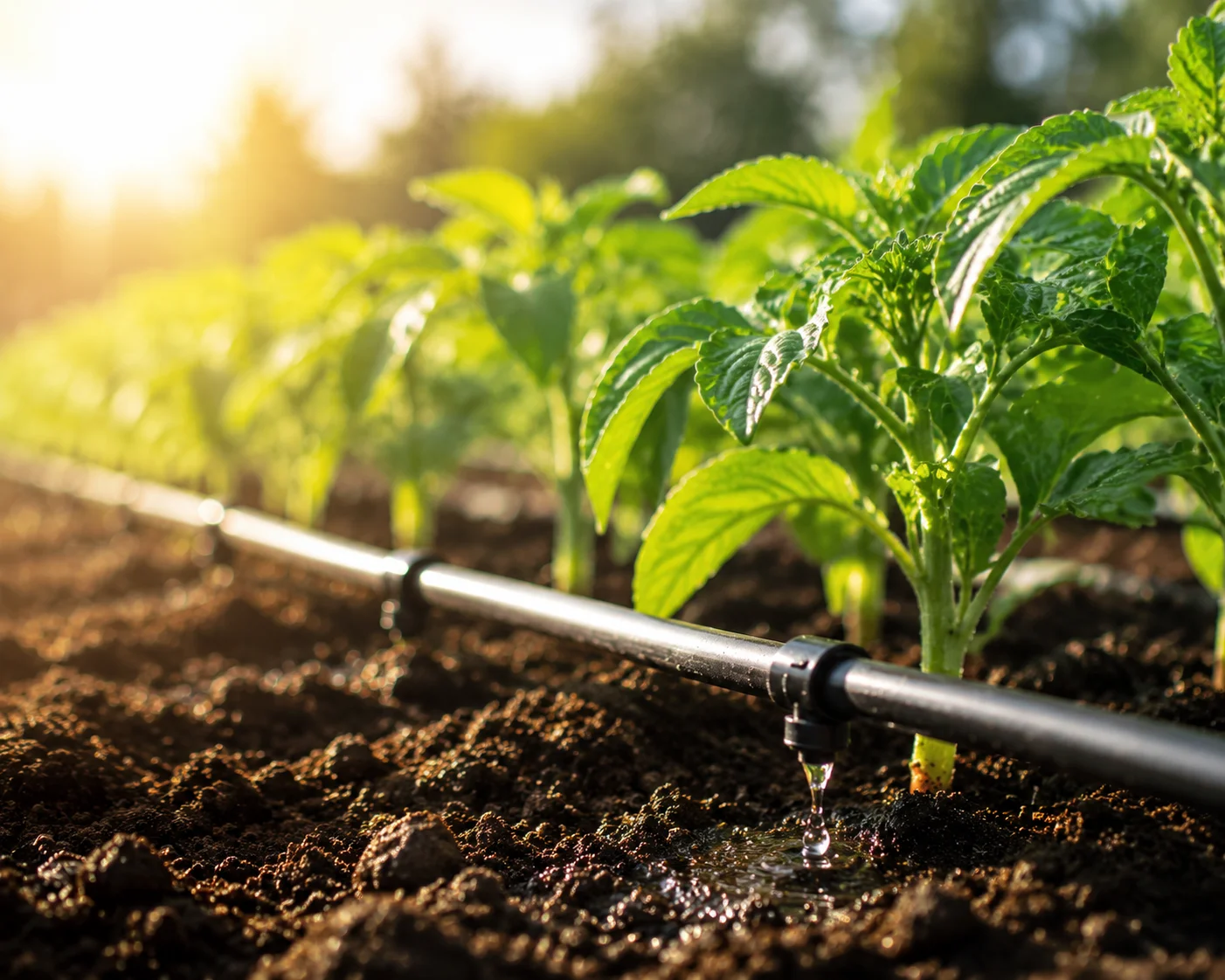
A drip irrigation setup waters plants slowly and directly at the root zone using tubes, emitters, and valves. Instead of spraying water across a wide area like sprinklers, it delivers moisture exactly where plants need it most. Think of it as giving your plants a steady sip rather than dumping a bucket over them.
Why It’s One of the Most Efficient Watering Methods
This targeted method makes it one of the most efficient solutions available today. It reduces water waste, improves plant health, and helps maintain consistent soil moisture. For homeowners, it means greener gardens with less effort. For contractors and farmers, it means better results with lower operating costs.
Adaptability for Different Landscapes and Needs
What makes it especially effective is its adaptability. Whether you’re working with flower beds, vegetable gardens, orchards, or commercial landscapes, it can be customized to suit different plant types and soil conditions.
How Much Does It Cost?
Let’s talk numbers because that’s usually the first thing on your mind. The total cost varies depending on size, materials, and installation method. This is where using an irrigation cost estimator becomes incredibly helpful.
Average Cost Overview
| Small DIY Garden | $50 – $300 |
| Medium Residential Yard | $300 – $1,500 |
| Large Landscape Installation | $1,500 – $5,000+ |
| Agricultural (Per Acre) | $500 – $4,000 |
For a small home garden, you might spend less than a weekend’s grocery bill. Larger landscapes or farms naturally cost more due to added materials and labor.
The key takeaway? This type of irrigation is scalable. You can start small and expand without rebuilding everything from scratch.
Breaking Down the Costs: Where Your Money Goes
Understanding what you’re paying for helps you make smarter decisions. A typical setup includes several components, each contributing to the total cost.
1. Materials and Equipment
Most of your budget goes toward materials like tubing, emitters, filters, and connectors. High-quality parts cost more upfront but last longer and require less maintenance.
Common components include:
- Tubing and pipes
- Emitters or drippers
- Pressure regulators
- Filters and valves
Choosing durable supplies always pays off in the long run.
2. Labor and Installation
If you hire professionals, labor can significantly increase your budget. Installation may involve digging trenches, connecting water sources, and setting up zones for different plant types.
For simple layouts, DIY installation works well. For larger or more complex projects, professional help ensures efficiency and avoids costly mistakes.
3. Automation and Smart Features
Modern systems often include timers, sensors, and smart controllers. These features automate watering schedules and adjust based on weather conditions.
While they add to the initial cost, they improve efficiency and reduce water waste, making them a smart long-term investment.
DIY vs Professional Installation: Which One Should You Choose?
This is where many people hesitate. Should you install it yourself or hire a professional?
DIY Installation
If you enjoy hands-on projects, DIY can save you a lot of money. Many kits are beginner-friendly and come with clear instructions.
Benefits:
- Lower upfront cost
- Full control over design
- Easy upgrades later
However, poor layout or pressure issues can lead to uneven watering.
Professional Installation
For larger properties or complex landscapes, hiring a professional is often the better choice. Contractors design systems tailored to your land, ensuring proper water distribution.
Advantages:
- Optimized design
- Time savings
- Reduced risk of errors
You pay more upfront, but you gain reliability and performance.
Factors That Affect the Total Cost
No two systems cost the same. Several factors influence the final price, and understanding them helps you use an irrigation cost estimator more accurately.
Size of the Area
The larger the space, the more materials and labor you’ll need.
Type of Plants
Different plants require different watering levels, which can increase system complexity.
Soil and Terrain
Rocky or uneven ground makes installation more challenging and can raise costs.
Water Source and Pressure
Low pressure may require additional equipment, such as pumps or regulators. Poor water quality may also require filtration.
Is It Worth the Investment?
Now comes the big question: is it actually worth it?
Water Savings
This method can reduce water use by 30–50% compared to traditional watering. That’s a big deal, especially in areas where water is expensive or limited.
Improved Plant Health
Because water reaches the roots directly, plants receive consistent moisture. This leads to healthier growth and better results.
Reduced Maintenance
Once installed, the system requires minimal effort. Automation handles watering schedules, saving you time and energy.
Pros and Cons
Pros
- Highly water-efficient
- Reduces weed growth
- Improves plant health
- Works across different landscapes
Cons
- Higher upfront cost
- Needs occasional maintenance
- Emitters may clog over time.
Comparison with Traditional Systems
| Water Efficiency | High | Moderate |
| Installation Cost | Medium | Low |
| Maintenance | Low | Medium |
| Best For | Gardens, beds | Lawns |
Drip irrigation works best for precision watering, while sprinklers are better for quickly covering wide-open areas.
How to Use an Irrigation Cost Estimator Effectively
An irrigation cost estimator is a valuable tool for planning your project. It helps calculate costs based on area, materials, and labor.
To get accurate results:
- Measure your space carefully.
- Identify plant types
- Consider water pressure
- Include optional upgrades
This approach helps you avoid surprises and plan your budget more effectively.
Long-Term ROI: Does It Pay Off?
While the upfront cost may seem high, the long-term benefits often outweigh the investment.
Savings come from:
- Lower water bills
- Reduced labor
- Better plant or crop output
Over time, many users find that the system pays for itself.
Who Should Invest in This System?
This irrigation method is a smart choice for:
- Homeowners with gardens
- Landscape contractors
- Farmers
- Anyone in water-scarce areas
If you value efficiency and long-term savings, it’s worth considering.
Conclusion
A drip irrigation system isn’t just about watering; it’s about doing it smarter and more efficiently. While costs vary depending on your setup, using an irrigation cost estimator helps you plan accurately and stay within budget.
From saving water to improving plant health, the benefits are clear. Once installed, it simplifies your routine and delivers consistent results. For both homeowners and professionals, it’s an investment that pays off over time.
FAQs
How long does it last?
Most systems last 10–15 years with proper maintenance.
Can I install it myself?
Yes, DIY kits make it easy for small gardens.
Is maintenance expensive?
No, costs are low with regular checks.
Does it increase property value?
Yes, efficient irrigation improves landscape appeal.
How accurate is an irrigation cost estimator?
It provides a close estimate, but actual costs may vary.