
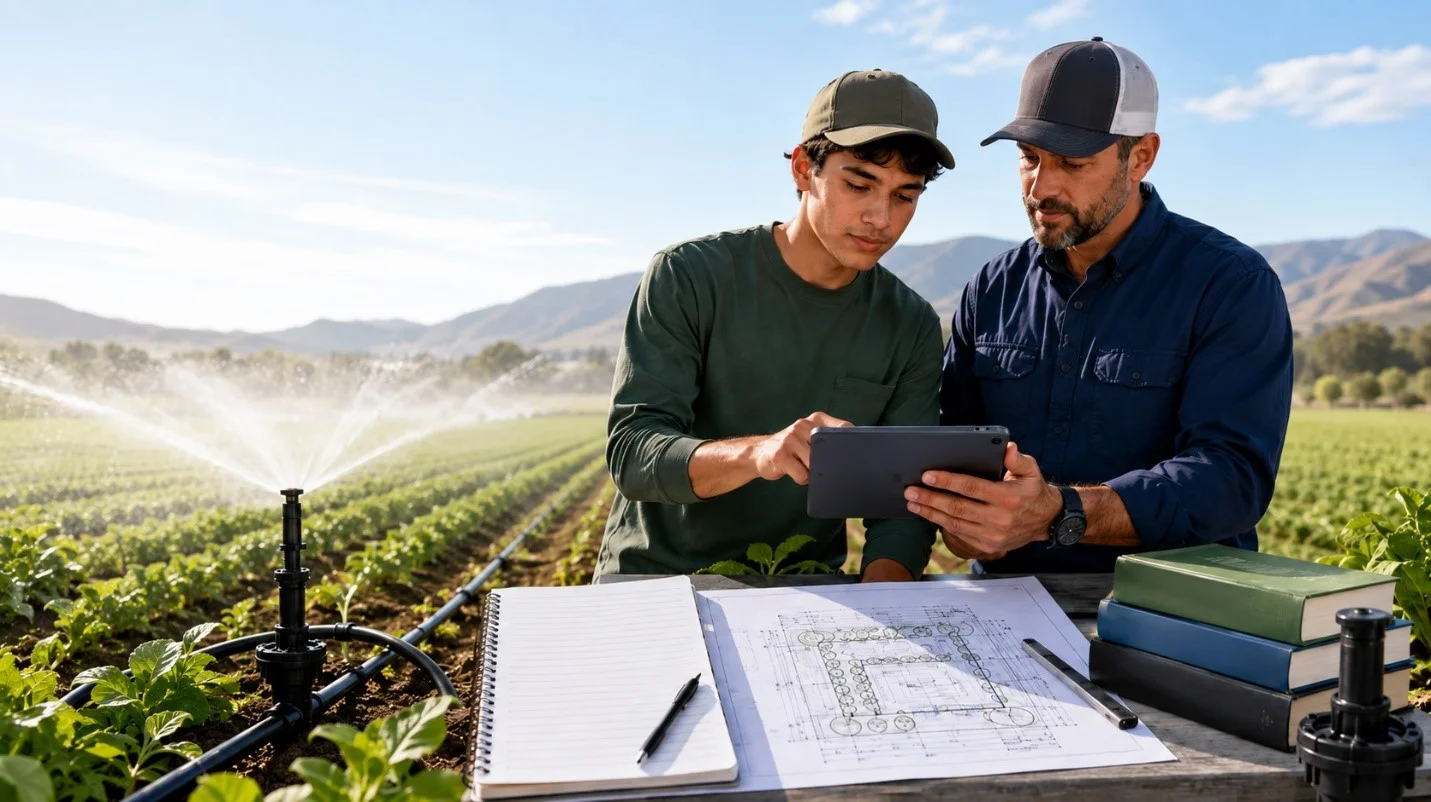
When you think about building a stable, future-proof career, irrigation might not be the first thing that comes to mind, but it should be. As global concerns about water management, sustainable agriculture, and efficient landscaping grow, irrigation has become a valuable and practical skill. Whether you want to work in landscaping, agriculture, or even start your own business, the right training can open doors you may not have considered before.
Just like choosing the right tools is essential for any successful project, selecting the right learning path is equally important. It helps you build real skills, gain confidence, and stand out in a competitive market while setting a strong foundation for long-term career growth.
Why Irrigation Is Becoming a High-Demand Career
Growing Need for Water Efficiency
Water is no longer something we can afford to waste. Industries across the world are focusing on efficiency, and that’s where trained professionals step in. They design systems that keep landscapes healthy while using water wisely.
The Importance of Balance in Irrigation
Think of irrigation experts as people who “control the balance.” Too much water damages plants, while too little causes them to dry out. As cities expand and farming evolves, the need for skilled individuals continues to grow. That’s why people with proper training often find better job opportunities and faster career growth.
Role of Technology in Modern Irrigation
Technology is also playing a big role. Today’s systems include smart controllers, automated scheduling, and sensors that respond to weather conditions. Understanding these tools makes you far more valuable than someone with only basic knowledge.
Career Opportunities After Training
Starting as an Irrigation Technician
Once you complete your training, you can take several directions. Many people begin as technicians, working directly with irrigation installation and maintenance. This hands-on role is perfect for gaining experience and understanding how systems function in real conditions.
Moving Into Design Roles
With time and experience, you can move into design positions where you plan irrigation layouts for homes, farms, or commercial spaces. These roles require deeper knowledge but also offer better earning potential and career growth.
Starting Your Own Business
If you prefer independence, starting your own service business is another strong option. Many professionals build successful careers by offering installation, repair, and maintenance services to residential and commercial clients.
Working as an Irrigation Consultant
There’s also growing demand for consultants who help companies improve water efficiency. With proper certification, you can step into advisory roles, work on larger projects, and provide expert guidance to businesses and organizations.
Types of Irrigation Classes You Can Take
Not all courses are the same, and that’s actually helpful. It allows you to choose a path that matches your goals and experience level.
Beginner Courses
If you’re new, start with the basics. These courses explain how systems work, the different types available, and simple installation methods.
They’re designed for easy understanding, even if you’ve never worked with irrigation before. Think of them as your starting point; without this foundation, moving forward becomes difficult.
Intermediate Training
After learning the basics, the next step is to understand system design and efficiency.
You’ll learn how to manage water pressure, plan layouts, and create systems that suit different landscapes. This is where you begin to see how residential and larger-scale projects require different approaches.
Advanced and Certification Programs
If you’re serious about turning this into a career, advanced programs are essential.
These courses prepare you for certification and help you qualify for professional work. They cover system audits, water conservation methods and performance optimization.
This level of training is what separates professionals from beginners.
Best Irrigation Classes and Certifications
Online Learning Options
Online platforms have made it easier than ever to get started. You can learn at your own pace without worrying about strict schedules.
These courses are ideal if you’re balancing work or other responsibilities. You can study whenever it fits your routine.
Professional Certifications
Certifications are important if you want to build credibility.
Some widely recognized options include:
- Certified Irrigation Technician
- Certified Irrigation Designer
- Certified Irrigation Auditor
These certifications show that you understand both theory and practical application. Many employers prefer candidates who already have this level of validation.
Specialized Training
Some programs focus on sustainability and smart systems.
These courses teach you how to reduce water waste while maintaining healthy landscapes. As environmental awareness grows, this knowledge becomes even more valuable.
Skills You Gain from Irrigation Training
Technical Knowledge
You’ll learn how to design, install, and maintain systems. This includes working with sprinklers, drip setups, and control units.
These are practical skills you’ll use regularly in real projects.
Problem-Solving Ability
Every landscape is different. Some areas need more water, others need less.
Training helps you analyze conditions and make smart decisions. It’s like solving a puzzle where each piece affects the outcome.
Environmental Awareness
Modern irrigation focuses on efficiency and sustainability.
You’ll learn how to conserve water and reduce waste, both of which are becoming increasingly important worldwide.
How to Choose the Right Course
Choosing the right option doesn’t have to be complicated.
Start by asking yourself a few simple questions:
- Are you just exploring or planning a full career?
- Do you need certification?
- What is your budget?
Your answers will help you narrow down the best option.
Also, think about how you learn best. Some people prefer hands-on experience, while others do better with self-paced online learning.
Online vs In-Person Training
Both options have their benefits.
Online learning gives you flexibility. You can study anytime and revisit lessons whenever needed.
In-person training provides practical experience. You get to work with real systems, which helps build confidence.
A combination of both is often the best approach.
Cost and Duration
Training costs and timelines can vary by level.
- Beginner courses: short and affordable
- Intermediate training: moderate time and cost
- Certification programs: longer and more expensive
While it may feel like an investment at first, the long-term benefits make it worthwhile.
Career Growth After Certification
Getting certified can significantly boost your career.
It increases your credibility, helps you qualify for larger projects, and often leads to better income opportunities. Many employers prefer certified professionals because they bring proven skills to the table.
With experience, you can move into leadership roles, start your own business, or work as a consultant.
Future of Irrigation Careers
The future looks promising. Technology is transforming how systems are designed and managed.
Smart controllers, automation, and data-driven solutions are becoming standard. If you stay updated and continue learning, you’ll always have opportunities.
Demand is growing, and skilled professionals will continue to be needed.
Conclusion
Choosing the right irrigation classes is more than just learning a skill; it’s building a future. Whether you’re starting from scratch or looking to upgrade your expertise, the right training can completely transform your career path.
Add an irrigation license to your skill set, and suddenly, you’re not just another worker; you’re a professional that people trust. And in a world where water management is becoming more critical every day, that trust is incredibly valuable.
So, if you’ve been thinking about it, this is your sign. Start learning, keep growing, and watch where it takes you.
FAQs
What are the best irrigation classes for beginners?
Beginner-friendly online courses are a great way to understand the basics before moving to advanced training.
Do I need a license to work in irrigation?
It depends on your location, but having certification improves your chances of getting better jobs.
How long does training take?
It can range from a few hours for basic courses to several months for advanced programs.
Can I start a business after training?
Yes, many professionals build successful businesses after gaining experience and certification.
Is irrigation a good career choice?
Yes, demand is growing due to water conservation needs and technological advancements.